Quick Answer: How Can You Export From India?
To export goods from India, you normally need to:
- Make your product export-ready.
- Select a suitable country.
- Check the export and import rules.
- Prepare your business documents.
- Apply for an Importer-Exporter Code, also called IEC.
- Find a genuine international buyer.
- Calculate the correct export price.
- Agree on safe payment terms.
- Prepare the export documents.
- Complete customs clearance.
- Ship the goods.
- Receive the payment through your bank.
You can begin with one product, one buyer and one small shipment.
You do not need to fill an entire shipping container for your first order.
Can a Small Manufacturer Export From India?
Yes.
A small manufacturer, MSME, proprietorship, partnership firm, LLP or private limited company can export goods from India.
You can start with:
- One product
- One target country
- One verified buyer
- One small order
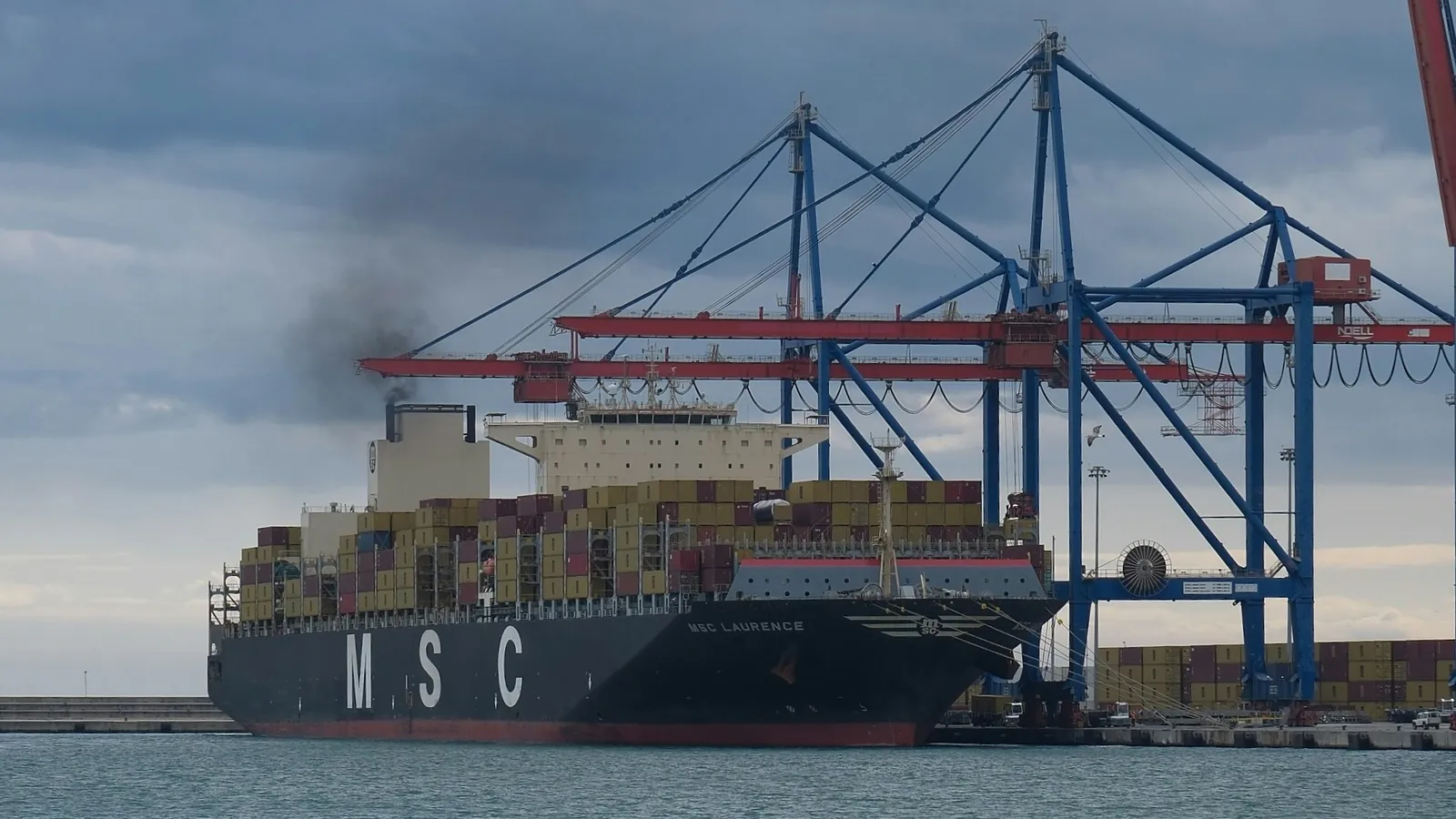
Small and lightweight orders can be sent through international courier or air cargo. Large and heavy orders can be sent through sea freight.
A freight forwarder can help you select the best shipping method.
Your first goal should not be to sell in every country.
Your first goal should be to complete one safe, profitable and successful export order.
Start small, learn the process and grow with confidence.
Step 1: Check Whether Your Product Is Ready for Export
A product that sells well in India may need a few changes before it can be sold in another country.
Ask yourself:
- Is the product quality the same in every batch?
- Can we produce the required quantity on time?
- Is the packaging strong enough for a long journey?
- Does the product label follow the buyer’s country rules?
- Does the product need a test report or certificate?
- Is the product freely exportable from India?
- Is the product restricted or prohibited?
- What is the correct HS Code?
An HS Code is a number used to identify products in international trade.
Customs authorities use it to understand what you are exporting. The code can affect documentation, import duty, restrictions and product compliance.
Some products may need special registrations, tests or licences.
These may include:
- Food products
- Agricultural products
- Medicines
- Chemicals
- Plants
- Animal products
- Electrical equipment
- Medical devices
- Cosmetics
Always check two things:
- The rules for exporting the product from India
- The rules for importing the product into the buyer’s country
Complete these checks before accepting a large order.
Step 2: Choose the Right Export Market
Do not select a country only because it is wealthy or popular.
Select a country where people or businesses need your product.
Study:
- Product demand
- Market size
- Local competition
- Average selling price
- Import duty
- Product standards
- Required certificates
- Shipping cost
- Language
- Buyer behaviour
- Payment risk
For example, a product may have strong demand in Europe, but the testing and certification requirements may be expensive.
Another country may offer a slightly lower selling price but allow easier and faster market entry.
For your first export, focus on one or two countries.
Learn those markets properly before expanding further.
You can collect market information from:
- Export Promotion Councils
- International trade fairs
- Indian embassies
- Trade associations
- Government trade portals
- Import data platforms
- Industry reports
- Buyer interviews
- Online marketplaces
Do not try to sell everywhere at once.
A focused market strategy is usually more effective than sending the same message to hundreds of random buyers.

Step 3: Prepare Your Business Documents
Keep your basic business documents ready before you begin approaching international buyers.
You may need:
- Business PAN
- Business registration proof
- Address proof
- Current bank account
- Cancelled cheque
- GST registration, where applicable
- Aadhaar e-sign or digital signature
- Product licences, where applicable
Your bank account should be able to receive international business payments.
Speak with the foreign exchange or trade department of your bank before your first shipment.
Explain:
- What product you plan to export
- Which country you are targeting
- Which currency the buyer will use
- How much payment you expect
- Which payment method you plan to accept
This early conversation can help you avoid banking and documentation problems later.
Step 4: Apply for an IEC
IEC means Importer-Exporter Code.
It is one of the most important registrations for businesses planning to import or export goods from India.
The Directorate General of Foreign Trade, also called DGFT, issues the IEC.
Before applying, your business should normally have:
- A PAN
- A bank account in the business name
- A valid business address
- Supporting business documents
An IEC identifies your business as an importer or exporter.
Is IEC the Same as an Export Licence?
No.
IEC is a business identification number used for import and export activities.
It does not automatically give permission to export every product.
Some restricted or controlled products may still need:
- An export licence
- A No Objection Certificate
- A test report
- A product registration
- Permission from another authority
Keep your IEC information correct and updated.
Step 5: Check Whether You Need RCMC
RCMC means Registration-Cum-Membership Certificate.
It is issued by an authorised Export Promotion Council, Commodity Board or another recognised export organisation.
Different organisations support different product categories, such as:
- Engineering goods
- Agricultural products
- Spices
- Tea
- Textiles
- Handicrafts
- Chemicals
- Pharmaceuticals
- Plastics
An RCMC may help exporters access industry support, market information, trade events and certain benefits or schemes.
The correct council will depend on the product you export.
Check with the relevant Export Promotion Council, DGFT or a qualified export professional to understand whether your business needs an RCMC.
Step 6: Find Genuine International Buyers
This is one of the most exciting parts of the export journey.
You have a product. Now you need to find a business outside India that wants to buy it.
You can find international buyers through:
- International trade fairs
- Export Promotion Councils
- Indian embassies
- B2B marketplaces
- Google search
- Industry associations
- Distributor directories
- Import records
- Your company website
- Email outreach
- Existing customer referrals
Do not send a general message such as:
“We supply all products at the best price.”
It sounds unclear and does not give the buyer a strong reason to respond.
A better introduction would be:
Hello, we are an Indian manufacturer of stainless-steel pump parts for food-processing plants. We currently supply businesses across India and are looking for distribution partners in the UAE. May I share our catalogue and product specifications?
This message explains:
- Who you are
- What you manufacture
- Who uses the product
- Which market you are targeting
- What you want the buyer to do next
How Should You Check an International Buyer?
Before accepting an order, review:
- The company website
- Business registration
- Office address
- Official business email
- LinkedIn presence
- Import history
- Bank account information
- References
- Product category
- Online reviews
- Video call availability
Be careful when a buyer asks you to:
- Pay a large registration fee
- Purchase a strange certificate from an unknown company
- Transfer money into a personal account
- Ship a large order without safe payment terms
- Communicate only through a personal email address
A large enquiry is exciting, but it is not automatically a genuine order.
Verify first.

Step 7: Calculate the Correct Export Price
Do not take your Indian selling price, add a small profit and send the quotation to the international buyer.
Export pricing includes more costs.
Your export price may need to cover:
- Manufacturing cost
- Product inspection
- Export packaging
- Labelling
- Testing
- Certification
- Factory-to-port transport
- Loading and unloading
- Documentation
- Customs broker charges
- Port charges
- Air or sea freight
- Insurance
- Bank charges
- Sales commission
- Currency risk
- Your profit
A simple way to understand export pricing is:
Export price = Product cost + Export expenses + Risk cost + Profit
You must also select a delivery term.
These delivery terms are called Incoterms.
EXW
The buyer collects the goods from your factory or agreed location.
The buyer handles most of the transport and shipping work.
FOB
You arrange the goods up to the named Indian port and complete the export clearance.
The buyer usually handles the main sea freight and destination costs.
CIF
You arrange the cost, insurance and freight up to the named destination port.
Do not agree to an Incoterm until you understand which expenses and responsibilities belong to you.
Ask your freight forwarder for a written cost estimate before confirming the final export price.
Step 8: Agree on Safe Payment Terms
Receiving an international order feels exciting.
Receiving the payment safely is even more important.
Common export payment methods include:
- Full advance payment
- Partial advance and balance before shipment
- Letter of Credit
- Documents Against Payment
- Open credit
- Online payment systems for suitable small orders
For a new buyer, full advance payment can reduce risk.
For larger orders, a properly checked Letter of Credit may offer protection when its terms are clear and your bank has reviewed it.
Do not offer long credit only because you want to win your first order.
A large order with unsafe payment terms can damage your cash flow.
Before production begins, confirm:
- Payment amount
- Payment currency
- Advance amount
- Balance payment date
- Bank charges
- Required documents
- Conditions for releasing payment
- Action in case of delay
Keep the final payment terms in writing.
Step 9: Send a Sample and Proforma Invoice
Many international buyers will ask for a sample before placing a large order.
The sample stage allows both sides to test:
- Product quality
- Product size
- Colour
- Materials
- Packaging
- Labelling
- Delivery time
- Courier process
- Customs requirements
- Communication quality
Charge appropriately for samples and courier costs whenever required.
When the buyer is ready, send a Proforma Invoice.
It should clearly mention:
- Seller details
- Buyer details
- Product name
- Product description
- HS Code
- Quantity
- Unit price
- Total value
- Currency
- Incoterm
- Payment terms
- Production time
- Port of loading
- Destination
- Offer validity
- Packaging details
Do not leave important commercial terms only inside WhatsApp conversations.
Put the final agreement in writing.
Step 10: Prepare the Export Documents
The exact documents required will depend on the product, destination country, shipping method and payment terms.
Common export documents include:
- Commercial Invoice
- Packing List
- Shipping Bill or Bill of Export
- Bill of Lading for sea shipments
- Airway Bill for air shipments
- Purchase Order
- Proforma Invoice
- Certificate of Origin
- Insurance Certificate
- Inspection Certificate
- Test Report
- Fumigation Certificate
- Health Certificate
- Phytosanitary Certificate
- Product-specific licence
- Dangerous Goods Declaration, where applicable
What Is a Commercial Invoice?
A Commercial Invoice records the sale between the exporter and the international buyer.
It normally includes:
- Exporter details
- Buyer details
- Product details
- Quantity
- Price
- Currency
- Incoterm
- Payment terms
- Country of origin
What Is a Packing List?
A Packing List explains how the goods are packed.
It may include:
- Number of boxes
- Product quantity in each box
- Net weight
- Gross weight
- Package dimensions
- Package markings
What Is a Certificate of Origin?
A Certificate of Origin confirms the country where the goods were manufactured or produced.
It may also help a buyer claim a lower import duty when an applicable trade agreement provides that benefit.
Correct documents help prevent customs delays, payment problems and disputes with the buyer.

Step 11: Complete Customs and ICEGATE Requirements
ICEGATE is the electronic portal used by Indian Customs for several customs and trade-related services.
For your first shipment, you will normally work with:
- A customs broker
- A freight forwarder
- Your bank
- A transporter
- The shipping line or airline
A customs broker can help prepare and file the Shipping Bill and complete the required customs formalities.
A freight forwarder can help move the cargo from your factory to the buyer’s country.
Your bank may need to register its Authorised Dealer Code, also called AD Code, for the relevant customs location or port.
Select service providers who have experience with your product category.
Do not choose a partner only because they offer the lowest price.
Ask:
- Have you handled this product before?
- Which documents will be required?
- Which port or airport should we use?
- What charges are included?
- Are there any destination charges?
- How long will the shipment take?
- Who will provide tracking updates?
A good logistics partner can make your first export much easier.
Step 12: Pack and Ship the Goods
Export packaging is not only about making the product look attractive.
The package must protect the goods during:
- Factory handling
- Truck movement
- Warehouse storage
- Port handling
- Loading and unloading
- Stacking
- Vibration
- Heat
- Moisture
- Sea or air travel
Depending on your product, you may need:
- Strong export cartons
- Wooden crates
- Pallets
- Inner cushioning
- Moisture protection
- Strapping
- Shrink wrapping
- Handling labels
- Product labels
- Country-of-origin marks
Show the packaging and label design to the buyer before production when the buyer has given specific requirements.
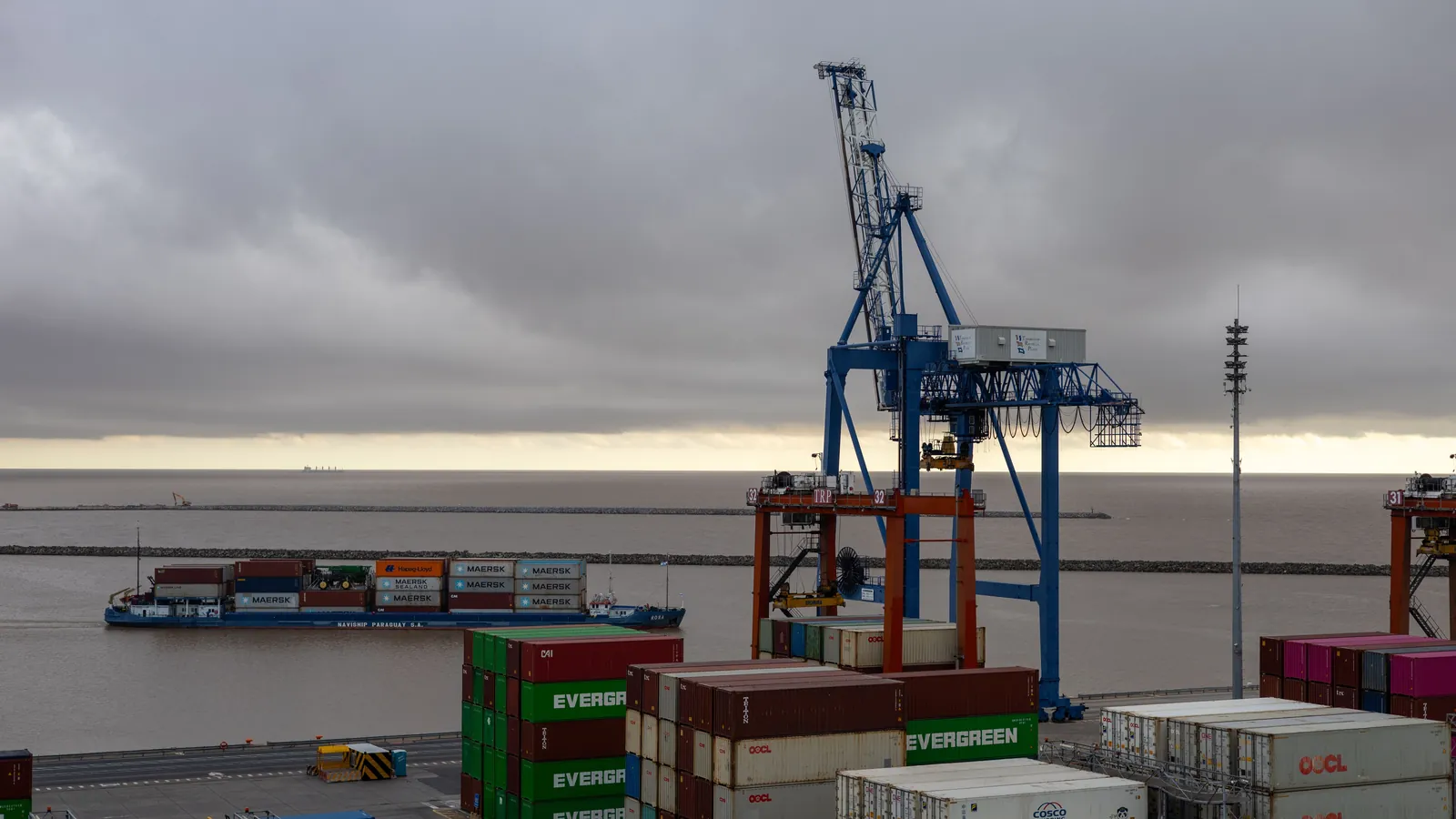
Once the documentation and customs process are complete, the cargo can be loaded and shipped.
Your product is now leaving India and beginning its journey to an international customer.
Step 13: Receive the Export Payment
After shipment, send the required documents to the buyer or through the agreed banking channel.
Keep records of:
- Commercial Invoice
- Packing List
- Shipping Bill
- Bill of Lading or Airway Bill
- Certificate of Origin
- Insurance
- Inspection reports
- Buyer communication
- Customs clearance
- Bank payment
An electronic Bank Realisation Certificate, commonly called eBRC, records the realisation of export proceeds against an export transaction.
Work closely with your bank to ensure that the export payment is received, matched and closed correctly.
Do not ignore bank emails or requests for documents after the payment has arrived.
Receiving money is not always the final step. The banking record may also need to be completed.
Step 14: Understand GST and Export Benefits
Exports are treated as zero-rated supplies under GST.
Depending on eligibility and the applicable process, a registered exporter may export:
- Without payment of IGST by using a Letter of Undertaking, also called LUT
- By paying IGST and later claiming an eligible refund
The correct route depends on your GST position and business circumstances.
Some products may also qualify for export-related remission or benefit schemes.
Eligibility can depend on:
- HS Code
- Product category
- Export type
- Destination
- Current government notifications
- Compliance with scheme conditions
Do not calculate your profit using an old incentive rate found in an online article.
Always check the current official information for your exact product and HS Code.
Speak with a qualified GST professional, customs expert or export consultant before making a financial decision.
A Simple First Export Example
Imagine that you manufacture industrial bearings in Gujarat.
A distributor in Dubai sends an enquiry for 500 pieces.
You would:
- Check the buyer’s business.
- Confirm the product specifications.
- Check the UAE import and labelling rules.
- Share your catalogue and test reports.
- Calculate the FOB or CIF price.
- Agree on the payment method.
- Send a Proforma Invoice.
- Receive the advance payment or bank confirmation.
- Manufacture the goods.
- Inspect the products.
- Pack them for export.
- Prepare the invoice and packing list.
- Ask your customs broker to file the Shipping Bill.
- Move the cargo to the port.
- Complete customs clearance.
- Ship the order.
- Send the documents to the buyer.
- Receive the final payment.
- Complete the banking records.
That is an export.
It is not magic.
It is a well-planned business process.
Common Export Mistakes to Avoid
Trying to Sell Every Product Everywhere
Begin with one strong product and one suitable market.
Quoting Without Knowing Shipping Costs
Get a freight and local charge estimate before confirming the final price.
Trusting a Buyer Too Quickly
Complete basic business, banking and identity checks.
Using Weak Packaging
A damaged shipment can destroy your profit and harm your reputation.
Ignoring Destination-Country Rules
Your product must follow the regulations of the country where it will be imported and sold.
Giving Too Much Credit
Protect your cash flow, especially when dealing with a new buyer.
Using the Wrong HS Code
An incorrect HS Code may cause delays, incorrect duty calculations or compliance problems.
Making Unrealistic Delivery Promises
Do not promise a production quantity or delivery date that your factory cannot manage.
Depending on One Buyer
After completing your first orders, continue building relationships with other suitable buyers.
First Export Readiness Checklist
Before accepting your first export order, confirm that you have:
- A legally registered business
- Business PAN
- Business bank account
- GST registration, where applicable
- IEC
- Correct HS Code
- Product compliance check
- Target-market research
- Verified buyer
- Export price calculation
- Written payment terms
- Proforma Invoice
- Export-ready packaging
- Customs broker
- Freight forwarder
- Required certificates
- Commercial Invoice
- Packing List
- Shipping Bill
- Payment tracking plan

Your Product May Be Ready for the World
You already know how to manufacture.
You already know how to solve problems.
You already know how to serve customers.
Exporting is the next step in the same journey.
Do not wait until everything feels perfect.
Begin by checking whether your product is export-ready. Select one market. Speak with suitable buyers. Understand the documents. Build relationships with experienced logistics and banking partners.
Your first international order may begin with one email, one product sample or one simple question:
Can you supply this product to our country?
Be ready when that question comes.
Frequently Asked Questions About Exporting From India
1. How do I start exporting from India?
Start by selecting a product and target country. Check the product rules, prepare your business documents, obtain an IEC, find a genuine buyer, calculate the export price, agree on safe payment terms, complete customs clearance and ship the goods.
2. Is IEC compulsory for exporting from India?
IEC is generally required for exporting goods from India unless a specific exemption applies. Some products may also require additional licences, certificates or approvals.
3. Can I export without owning a factory?
Yes. You can work as a merchant exporter and purchase products from Indian manufacturers. You must still follow the applicable export, tax, product, customs and documentation rules.
4. Can I start an export business with a small investment?
Yes. You can begin with product samples, small orders, courier shipments or consolidated cargo. The amount required will depend on the product, quantity, packaging, certification, logistics and payment terms.
5. How can I find international buyers?
You can find international buyers through trade fairs, Export Promotion Councils, Indian embassies, LinkedIn, B2B marketplaces, import records, business directories, email outreach, referrals and an export-focused website.
6. What documents are needed to export from India?
Common documents include a Commercial Invoice, Packing List, Shipping Bill or Bill of Export and Bill of Lading or Airway Bill. Additional documents may be required depending on the product and destination country.
7. Which payment method is best for a new exporter?
Advance payment can reduce risk for a new exporter. A properly checked Letter of Credit may also provide protection for larger orders. The best option depends on the buyer, country, order value and commercial relationship.
8. Is GST charged on exported goods?
Exports are treated as zero-rated supplies under GST. Eligible exporters may export under an LUT without paying IGST or follow the IGST payment and refund route, subject to applicable rules.
9. Do I need an export licence for every product?
No. Many products can be exported freely. Restricted, controlled or regulated products may require a licence, product registration, test report, certificate or permission from the relevant authority.
10. What is the cheapest way to send a small export order?
An international courier or consolidated air shipment may be suitable for small, light or valuable goods. Sea freight may be more economical for large and heavy shipments, but it usually takes longer.
11. How much profit can I make from exporting?
There is no fixed export profit. Your margin will depend on product demand, competition, manufacturing cost, packaging, freight, currency movement, payment terms and your ability to control expenses.
12. Can an MSME export products from India?
Yes. An MSME can export directly or work through a merchant exporter after completing the applicable registrations, product checks, buyer verification and export procedures.